


Kitchen Handles
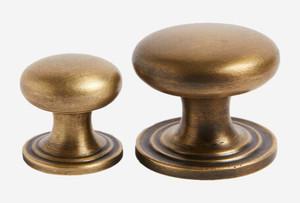
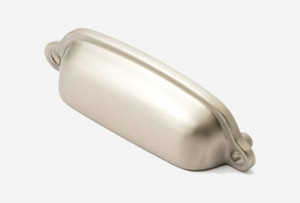
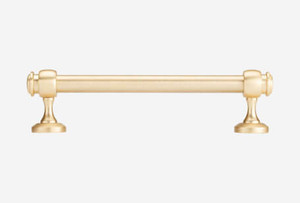


Kitchen handles are an important finishing detail, but they also need to make cupboards and drawers comfortable to use every day. Our collection includes kitchen cabinet handles, cupboard knobs, drawer pulls, drop handles, latches and recessed handles in traditional, classic and contemporary designs.
When choosing handles, consider how they will be used, the size and proportions of your cabinetry, the fixing method and any existing screw holes. You can use one handle style throughout your kitchen or combine coordinating knobs and pulls to suit different cupboards and drawers.
Types of Kitchen Handles
Different types of kitchen hardware suit different cabinetry and ways of using the space:
- Kitchen knobs are compact and suit cupboard doors as well as smaller drawers.
- Kitchen pull handles provide a larger grip and are popular for drawers, doors and pantry cupboards.
- Drawer pulls, including cup-style pulls, are traditionally fitted to drawer fronts and work particularly well in heritage, country and Hamptons-style kitchens.
- Kitchen drop handles have a hanging handle that lifts when used, providing a traditional furniture-inspired detail.
- T-bar knobs offer a little more grip than a conventional round knob while retaining a compact shape.
- Cabinet flush pulls are recessed into the cabinetry, making them useful where a projecting handle may be inconvenient.
- Finger pull handles fit discreetly to the edge of a door or drawer for a streamlined appearance.
- Kitchen latches add a distinctive traditional detail while also holding the cupboard door closed.
Can You Mix Knobs and Pull Handles?
Yes. It is very common to install knobs on cupboard doors and pull handles on drawers. Pull handles can also be used on cupboard doors, including tall pantry doors. There is no requirement to use only one type throughout the kitchen; the best combination comes down to personal preference, comfort and how each cupboard or drawer is used.
For a coordinated result, choose designs that share a similar shape, detailing or finish. Selecting knobs and pulls from the same collection can make it easier to achieve a consistent design.
Choosing the Right Size
Consider the overall dimensions of each handle as well as how it will look against the width and height of the cupboard door or drawer front. A small knob may suit a narrow cupboard, while a wider drawer or heavier pull-out may be more comfortable with a substantial pull handle.
If you are replacing existing two-screw handles, measure the fixing centres before ordering. The fixing-centre measurement is the distance from the centre of one screw hole to the centre of the other. This is different from the handle’s overall length.
Replacing Existing Kitchen Handles
If the new rear-fixed handles have the same fixing centres as your existing handles, replacement is generally straightforward: unscrew the old handles and install the new ones using the existing holes.
Take extra care when the new fixing centres are close to, but not exactly the same as, the old measurement. Drilling immediately beside an existing hole can weaken the fixing. This is particularly problematic with face-fixed handles because the fixing may pull out, but it can also cause a rear-fixed handle to move or wobble if the holes become enlarged.
If the new screw holes are well away from the old ones, the new fixing should not interfere with the previous holes. However, the old holes will need to be filled and refinished, or concealed beneath the base or backplate of the new handle. If concealing existing holes is important, compare the handle’s full dimensions—not only its fixing centres—with the area that needs to be covered. You can also explore our kitchen knob backplates.
Choosing a Finish
Kitchen handles are available in a wide variety of finishes, allowing you to coordinate them with tapware, appliances, lighting or other hardware. They do not have to match every fitting in the room, but repeating a finish or design detail can help the kitchen feel considered and cohesive.
Finish names are not universal. Brass, bronze, nickel, chrome and black finishes can differ between brands, even when they use the same name. If a close finish match matters, it is best to select handles from the same brand. Choosing knobs and pulls from the same range can also help maintain consistent design details.
Kitchen Handle Screws and Installation
Kitchen handles are generally supplied with screws suitable for standard kitchen cupboards. The screws are often supplied on the longer side so they can be cut down when required. As thread sizes are generally standard, longer compatible screws can usually be sourced for unusually thick doors or drawer fronts.
Before installation, check the product specifications and compare the supplied screw length with the thickness of your cabinetry. Make sure your measurements and handle positions are correct before drilling. A cabinet-hardware template can help keep the fixing positions consistent across multiple doors and drawers.
Our team reviews orders before dispatch and may contact you if something appears incompatible or unusual. However, it remains important to check the measurements, fixing method and product specifications for your particular cabinetry before ordering.
Kitchen Handles FAQs
How do I measure replacement kitchen handles?
For a pull handle with two screws, measure from the centre of one existing screw hole to the centre of the other. This is the fixing-centre measurement. Also check the overall length and width of the new handle, particularly if its base needs to cover marks or old holes.
What if I cannot find a handle with the same screw-hole spacing?
Avoid drilling a new hole immediately beside an existing one, as this can weaken the fixing or leave the handle loose. If the new holes can be positioned well away from the old ones, the previous holes can be filled and refinished or concealed beneath the base or backplate of the new handle.
Can I use knobs on cupboard doors and pulls on drawers?
Yes. Knobs on cupboard doors and pull handles on drawers are a very common combination. Pull handles can also be fitted to cupboard and pantry doors. The choice is largely personal preference, provided the handles are comfortable and suitable for the cabinetry.
Do kitchen handles come with screws?
Kitchen handles are generally supplied with screws suitable for standard cupboard doors and drawer fronts. Screws are often supplied slightly longer so they can be cut down if necessary. Longer compatible screws can generally be sourced when installing handles on unusually thick cabinetry.
Do kitchen handles need to match the tapware?
No. Handles can match the tapware or provide a complementary contrast. If you want a close match, remember that finishes with the same name can differ between manufacturers. Buying coordinating handles from the same brand provides the best chance of a consistent finish.
Should I order one kitchen handle before buying the full quantity?
You do not normally need to order a sample first, but you can purchase one handle if you would like to check its size, finish and feel against your cabinetry before ordering the remaining quantity.


