


Euro Locks
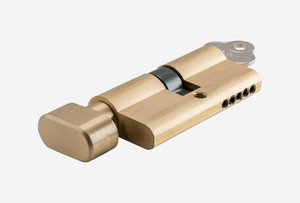
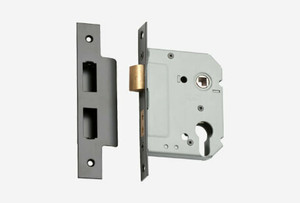
Choose Euro locks and cylinders to pair with your door handles, from warm brass finishes to chrome, nickel and black. A Euro lock has two main parts: a mortice lock body fitted into the edge of the door, and a removable cylinder that operates the locking mechanism. Choose them together for a new door, or find the compatible part for an existing set.
Choose the lock body and cylinder
Start with our Euro mortice locks for the mechanism inside the door, then select a compatible Euro cylinder. Cylinders are sold separately from the lock bodies. Your handles or keyhole cover plates also need to suit the Euro fitting.
- Key/key cylinders: use a key on both sides of the door.
- Key/thumbturn cylinders: use a key outside and a turn inside, so you can unlock from indoors without finding a key.
- Roller locks: pair with suitable fixed pull handles, a cylinder and Euro-shaped escutcheons for a door you pull open rather than operate with a lever.
Match the lock to your door and handles
Backset is the distance from the door edge to the centre of the handle or keyhole. For replacements, match the existing backset where possible. On a new panelled or glazed door, the width of the vertical timber section matters too. Our backset measuring guide explains how to choose a suitable position.
Spindle-to-cylinder centres are a different measurement: the spacing between the handle spindle and cylinder. The range includes different Euro spacings, so a matching backset alone does not make a lock compatible. Match the lock to the handle's Euro function and fixing arrangement, particularly where screws pass through the door.
Cylinder length needs to suit the door thickness and the handle plates or escutcheons on both sides. Use the cylinder's dimension drawing rather than choosing by door thickness alone.
For French doors with overlapping, rebated edges, choose a compatible rebated lock or rebate kit. A flat-edged pair of doors does not automatically need rebated hardware. Follow the selected lock's handing information where a left- or right-hand option is offered.
Coordinate the visible finishes
The cylinder, escutcheons and handles are the parts you see on the door face, so choose colours and sheen that work well together. Finish names can vary between brands, and matching names do not guarantee an identical colour. If you are matching existing hardware, ask our team for help with photos and the details of your handles and door.
Euro lock FAQs
Keyed-alike cylinders allow one key to operate several compatible locks. Choose the keyed-alike option where offered, or ask us to confirm the combination before ordering. Different brands or key systems cannot always be matched, and matching an existing key needs a separate compatibility check.
A Euro cylinder is a separate, removable part, so you may not need a complete new lock if the existing body is suitable and working properly. Send us the current cylinder and lock details, along with the door and plate measurements, so we can help identify a compatible replacement.
It depends on the existing lock cut-out, holes and handle fittings. A Euro set is not necessarily a direct replacement for a separate deadbolt and handle. Photos of both door faces and the door edge, together with the hole sizes and spacing, help our team work out what will fit and what old marks a new plate can cover.
Both have a lock body recessed into the door, but a Euro mortice lock uses a separate Euro cylinder. Traditional mortice locks may use a different key and keyhole shape. Choose handles and escutcheons for the lock type rather than relying on the word “mortice” alone.


