


Locks & Latches

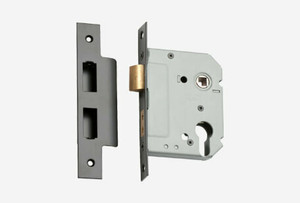


Choosing the right door lock or latch starts with the door’s function. An internal passage door may only need a tubular latch, a bathroom or bedroom requires suitable privacy hardware, and an external door generally needs a secure locking function. The lock or latch must also be compatible with your door handles, backset and any existing holes in the door.
Our range includes tubular latches, privacy locks, mortice locks, Euro locks, deadlocks, rim locks, sliding door locks and other traditional and contemporary door-locking hardware.
Types of Door Locks and Latches
- Tubular latches keep passage doors closed without locking them. Turning the door knob or lever retracts the latch.
- Privacy locks and latches allow bathrooms, bedrooms and other private internal rooms to be locked from inside, with emergency access available from outside.
- Mortice locks are fitted into the edge of the door and combine a latch with keyed locking, traditionally using a skeleton-style key.
- Euro locks are mortice-style lock bodies designed to work with a separate Euro cylinder.
- Deadlocks fit inside the door and provide locking through a Euro cylinder opening, without a latch tongue to hold the door closed when it is unlocked.
- Deadbolts provide a separate locking point without operating the door handle’s latch. In our range, these are generally round, surface-mounted locks fitted to the face of the door.
- Rim locks are mounted on the face of the door rather than recessed into its edge and are commonly used for traditional and heritage applications.
- Sliding door locks use a mechanism suited to sliding rather than hinged doors, with different options available for passage, privacy and keyed locking applications.
What Is a Tubular Latch?
A tubular latch is the standard choice for an internal passage door that needs to stay closed but does not need to lock. The latch is installed into the edge of the door and is operated by the spindle connecting the two door handles or knobs. When the handle is turned or the lever is pressed down, the latch tongue retracts and the door opens.
Tubular latches generally include a faceplate for the edge of the door and a striker plate for the door frame. These visible components should be selected in a finish that matches or coordinates with your door handles.
Choosing a Privacy Lock for a Bathroom or Bedroom
Privacy hardware allows a door to be locked from inside while providing an emergency-release method from outside. There are several different systems, and the correct choice depends on your handles and how you want the door to operate.
- Privacy tubular latch: This operates like a standard tubular latch but works with a compatible door handle containing a privacy button. Pressing the button fixes the latch so the handle cannot be operated from outside. It can be emergency-released from outside with a pin, while turning the inside handle unlocks it. This system is not available from every brand.
- Privacy bolt: A separate bolt approximately the size of a tubular latch. Turning the inside thumbturn shoots the bolt into the door frame to lock the door. The thumbturn may be a separate fitting or incorporated into a long handle backplate. Emergency release from outside is generally operated with a coin.
- Privacy mortice lock: This combines the functions of a tubular latch and privacy bolt in one larger lock body. It operates the door handle as well as the privacy function.
- Sliding door privacy lock: These commonly use a thumbturn to operate a hook-style latch, with an emergency coin release on the outside.
When selecting privacy hardware for an internal room, make sure the complete set includes a suitable emergency-release function accessible from outside.
Mortice Locks, Euro Locks and Deadlocks
A traditional mortice lock is recessed into the edge of the door and provides both a latch and keyed locking in one lock body. These locks use an old-fashioned skeleton-style key and are available in different models, including lower- and higher-security three-lever and five-lever options. Check the individual product specifications when selecting the required model.
A Euro lock is also recessed into the door, but it is operated by a separate Euro cylinder rather than a skeleton-style key. The lock body, cylinder, handles and any escutcheons must all be compatible. If your handles have a long backplate with a Euro cylinder cut-out, the distance between the handle spindle and cylinder opening must match the lock.
A deadlock also sits inside the door and uses a Euro cylinder, but it does not include a latch tongue. It locks the door but will not hold the door closed while unlocked unless a separate latch or another suitable mechanism is fitted.
Rim Locks and Traditional Door Knobs
A rim lock is fitted to the face of the door, making the lock body visible on one side. This traditional style is particularly well suited to heritage doors where the lock is intended to form part of the overall design.
Rim locks should be paired with compatible rim lock door knobs, which are also commonly described as rim or mortice knobs. Standard door knobs and lever handles are not automatically suitable. Read our guide to rim locks and mortice door knob guide for more detailed help.
Check the Backset Before Ordering
The backset is the distance from the edge of the door to the centre of the spindle or key operating point. It determines where the door handle or knob will sit across the width of the door stile.
Door knobs generally need a deeper backset than lever handles. This creates enough clearance between the knob and the door frame for your hand to comfortably grip and turn it. For help checking your door, see our door lock and latch backset measuring guide.
Matching a Lock or Latch to Your Door Handles
Before ordering, check that the lock or latch works with your chosen door handles and the function required for that door. Important details include:
- the required backset;
- whether the door needs passage, privacy or keyed locking;
- the spindle size required by the handle and lock;
- the type and position of any keyhole or cylinder opening;
- the distance between the handle spindle and keyhole or Euro cylinder when using long-plate handles; and
- the dimensions and position of existing holes when replacing door hardware.
Most locks and latches suit standard door thicknesses, but the full product specifications should still be checked before ordering. If you are keeping existing handles, confirm that their spindle is compatible with the new lock or latch.
When replacing an existing lock, choosing a similar function and appropriately sized lock body can help cover the existing cut-outs and screw holes. With a new door, you have more flexibility to select the function and dimensions you prefer.
Door Scheduling and Installation
If you are specifying hardware for several doors, our free door scheduling service can help match your handles, locks, latches and related hardware. Send our team your door schedule along with your preferred style and finish, and we can help identify suitable combinations and prepare a detailed quote.
Locks and latches should be installed by an appropriately qualified tradesperson. Correct installation is particularly important for external doors and locking hardware, where the door, frame, lock and associated components must work together properly.
For a broader overview of the hardware used on an entry door, see our guide to everything you need for a heritage front door.
Door Locks and Latches FAQs
What is the difference between a lock and a latch?
A latch holds a door closed and retracts when the door handle or knob is operated. A lock prevents the door from being opened until it is released with a key, cylinder, thumbturn or another locking mechanism. Some products, such as mortice locks and privacy mortice locks, combine both functions in one lock body.
Do I need a lock for an internal passage door?
Not usually. A standard internal passage door generally uses a tubular latch, which keeps the door closed without locking it. Bathrooms, bedrooms and other rooms requiring privacy need a suitable privacy latch, bolt or lock instead.
What type of lock should I use for a bathroom door?
Options include a privacy tubular latch used with compatible privacy handles, a separate tubular latch and privacy bolt, a combined privacy mortice lock, or a sliding privacy lock for a sliding door. The correct choice depends on the door, handles and preferred method of operation. Ensure the selected system provides emergency release from outside.
How do I know which backset I need?
Measure from the edge of the door to the centre of the spindle or key operating point. If you are replacing an existing lock or latch, measure its backset and compare the other dimensions and cut-outs as well. Door knobs commonly require a deeper backset than lever handles to provide comfortable hand clearance.
Can any door handle be used with any lock?
No. The handle and lock must have compatible functions, spindle sizes and keyhole or cylinder arrangements. Long-plate handles must also match the distance between the spindle and the keyhole or Euro cylinder. Rim locks require compatible rim or mortice-style knobs rather than an ordinary handle set.
What is the difference between a mortice lock and a Euro lock?
A traditional mortice lock is recessed into the door and operated with a skeleton-style key. A Euro lock is also recessed into the door but is designed to work with a separate Euro cylinder. The matching handles or escutcheons must have the correct keyhole or cylinder opening for the selected lock.
Should door locks and latches be professionally installed?
We recommend using an appropriately qualified tradesperson. Installation requires accurate cutting and alignment, and correct installation is especially important when the hardware is responsible for securing an external door.


